

Ceiling Water Damage in Charleston, SC
Charleston's combination of heavy seasonal rainfall and low-lying terrain creates frequent conditions for ceiling water damage, whether from roof leaks during storms or water seeping down from upper floors. Property owners across areas like South of Broad and James Island face active risk, especially in older homes where structural settling can compromise rooflines and flashing. Nelson Water Damage Restoration connects you with local independent restoration providers who can assess ceiling damage, manage water extraction and drying, and help document the damage for your insurance claim.
Ceiling Water Damage Repair in Charleston, SC
Charleston's unique coastal geography and weather patterns create persistent moisture challenges for property owners. Heavy seasonal rainfall, combined with the region's low-lying terrain and high water table, puts ceilings at particular risk—whether water intrudes from roof leaks during intense storms, seeps through upper-floor structural elements, or backs up from interior plumbing issues. Older historic homes in neighborhoods like South of Broad and the French Quarter, along with more contemporary properties throughout the area, all face this threat. A ceiling water stain or soft, sagging drywall is not merely a cosmetic problem; it signals active moisture that, if left unaddressed, can compromise structural integrity and create conditions for further deterioration.
Nelson Water Damage Restoration connects Charleston property owners with independent local restoration providers who understand ceiling water damage and its underlying causes. These providers respond quickly to identify the source of moisture, assess the full extent of damage to ceiling materials and framing, and begin water removal and drying to halt ongoing harm. Their approach emphasizes thoroughness—addressing not only visible damage but also hidden pockets of moisture that can linger and cause problems months later. Once immediate water removal is complete, they work with you to coordinate next steps, including documentation for insurance and discussion of restoration or replacement options. Fast action after ceiling water damage has occurred gives you the best chance at minimizing long-term consequences for your Charleston home.
Why Charleston Property Owners Choose Nelson Water Damage Restoration
Fast Response to Ceiling Water Damage
Ceiling water damage spreads quickly and demands immediate action. Nelson connects you with local providers who respond rapidly, minimizing structural harm and preventing secondary issues before they take hold.
Clear Communication Throughout Ceiling Repair
Water damage to ceilings involves complex assessments. Nelson's network keeps you informed at every step—from initial inspection through drying and restoration—so you understand what's happening and why.
Thorough Ceiling Water Damage Treatment
Surface cleanup alone leaves hidden moisture and mold risk in ceiling cavities and framing. Local providers in the Nelson network address the full scope of ceiling water damage, not just visible wetness.
Prepared for Charleston's Heavy Rainfall
The Charleston region experiences intense seasonal rainfall that can overwhelm roof and wall systems, sending water through ceilings into living spaces below. Nelson connects you with local providers experienced in managing ceiling water damage from the heavy downpours common to the area.
How Our Ceiling Water Damage Process Works
From your initial call to the final inspection, we provide a structured, professional, and efficient process to ensure your property is fully restored after Ceiling Water Damage.
Report Your Ceiling Water Damage
Contact Nelson Water Damage Restoration to describe where water is entering your ceiling and how much damage you see. We'll connect you with a local restoration provider in Charleston who can schedule a prompt inspection of the wet ceiling area.
Assess the Ceiling Damage Source
A local provider will visit to locate where water is entering—whether from roof leaks, upper-floor plumbing, or seasonal rainfall—and evaluate how far the water has spread through your ceiling materials. This diagnosis determines the drying and repair approach needed.
Begin Ceiling Water Removal and Drying
The provider removes standing water from the ceiling cavity, sets up drying equipment, and monitors moisture levels to prevent mold and structural deterioration. They'll also help document ceiling damage for your insurance claim and discuss next steps for repairs.
Dealing with Ceiling Water Damage in Charleston? Get fast, professional help.
Call Now — (843) 396-1171Ceiling Water Damage Across Charleston's Neighborhoods
Charleston's mix of property types and foundation styles creates distinct ceiling water damage vulnerabilities. Homes built on crawl spaces or slab foundations—common throughout the region due to the area's high water table and low-lying terrain—face unique risks when heavy seasonal rainfall occurs. Water entering crawl spaces or seeping through foundation walls can travel upward through wall cavities and into ceiling cavities above, where it causes staining, structural softening, and mold growth that may go unnoticed until damage is advanced. Older historic homes elevated on piers, found in neighborhoods like South of Broad and the French Quarter, present different exposure patterns; water damage to ceilings in these properties often stems from roof leaks or water entry at upper levels, where age-related wear and weather exposure compound the problem.
Regardless of foundation type or neighborhood—whether established areas like West Ashley or newer developments on James Island—ceiling water damage demands swift attention. Prolonged moisture in ceiling cavities compromises structural integrity and creates conditions for secondary damage. Nelson Water Damage Restoration connects Charleston property owners with local independent restoration providers who understand how regional construction practices and seasonal water risks affect homes here. If you discover discoloration, soft spots, or active dripping from your ceiling, contacting a local provider quickly helps limit the scope of restoration needed.
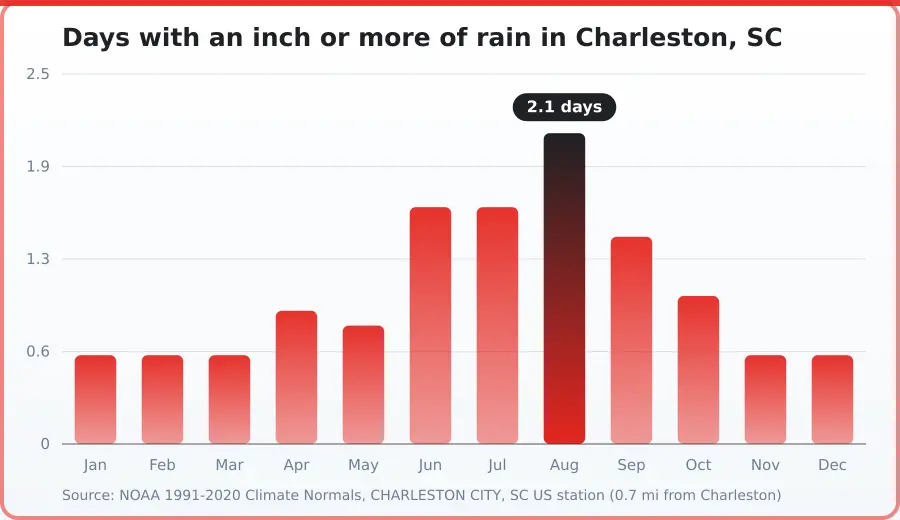
| Period | Days with an inch or more of rain (days) |
|---|---|
| Jan | 0.6 |
| Feb | 0.6 |
| Mar | 0.6 |
| Apr | 0.9 |
| May | 0.8 |
| Jun | 1.6 |
| Jul | 1.6 |
| Aug | 2.1 |
| Sep | 1.4 |
| Oct | 1 |
| Nov | 0.6 |
| Dec | 0.6 |
Source: NOAA 1991-2020 Climate Normals, CHARLESTON CITY, SC US station (0.7 mi from Charleston). Retrieved October 27, 2026.
Seasonal Ceiling Water Damage Risks in Charleston
Spring: Heavy Rainfall Impact
Spring rainfall in Charleston often arrives in intense bursts, overwhelming gutters and roof drainage systems that direct water into ceilings. Ceiling leaks develop rapidly when heavy downpours saturate aging roofing materials or overwhelm flashing around vents and chimneys. Nelson Water Damage Restoration connects property owners with local restoration providers who respond quickly to identify leak sources and begin water extraction and drying before structural damage spreads.
Summer: Heat and Humidity Acceleration
Summer's heat and persistent humidity in Charleston create ideal conditions for ceiling water damage to worsen quickly, promoting mold growth and material deterioration if water isn't removed promptly. Wet drywall and insulation soften under heat stress, and high moisture levels slow evaporation, leaving ceilings damp for longer. Local restoration providers connected through Nelson can deploy dehumidification and targeted drying to prevent secondary damage and maintain indoor air quality.
Fall: Seasonal Rainfall and Debris
Fall brings seasonal rainfall patterns that test roof integrity, and accumulated leaves and debris clog gutters and roof valleys, forcing water to pool and seep through ceiling assemblies. Ceiling water damage from backed-up drainage becomes visible as staining, soft spots, and peeling paint in upper-floor rooms. Nelson Water Damage Restoration links property owners with providers who clear drainage paths and assess ceiling damage to prevent winter moisture problems.
Winter: Low-Lying Terrain Drainage
Winter rainfall in Charleston's low-lying areas can saturate ground and overwhelm drainage around homes built on crawl spaces or slab foundations, pushing water upward into rim joists and wall cavities that connect to ceiling structures above. Interior ceiling leaks and water staining often follow heavy winter rain when saturation reaches critical levels. Nelson Water Damage Restoration helps property owners find local providers experienced in diagnosing and addressing ceiling water intrusion tied to foundation-level saturation and groundwater pressure.
Related Services
Ceiling Water Damage FAQs — Charleston, SC
Ceiling water damage occurs when water penetrates from above—typically through roofs, upper-floor leaks, or plumbing failures—and compromises drywall, insulation, paint, and structural materials. You may notice discoloration, sagging, soft spots, or peeling paint. The independent local providers Nelson Water Damage Restoration connects you with assess the extent, identify the water source, remove affected materials, and dry the area thoroughly to prevent mold growth and structural failure.
Time is critical with ceiling water damage because standing water spreads quickly and materials deteriorate within hours. Nelson Water Damage Restoration connects Charleston property owners with independent local restoration providers who understand the urgency and can typically respond on the same day you contact them. Quick action minimizes structural damage and reduces the risk of secondary problems.
Pricing for ceiling water damage restoration depends on the affected area's size, water source type, how long water has been present, and whether insulation, drywall, or structural framing needs replacement. Material costs and labor intensity vary by job. The independent providers Nelson Water Damage Restoration connects you with offer assessments so you understand what repairs are needed and associated costs before work begins.
The process starts with identifying the water source and stopping it to prevent further damage. Providers then remove saturated materials, set up industrial dehumidifiers and fans to dry the area, and monitor moisture levels. Once dry, they assess structural integrity, remove damaged insulation and drywall, and prepare the ceiling for repairs or replacement. Documentation for insurance is typically included throughout.
Reducing future risk involves maintaining your roof, checking for and repairing plumbing leaks promptly, ensuring gutters and downspouts direct water away from the home, and inspecting upper floors regularly for signs of moisture. In older Charleston homes elevated on piers or those with crawl spaces, proper drainage and ventilation also help. The restoration providers Nelson Water Damage Restoration connects you with can recommend site-specific preventive measures during your repair.
Charleston's low-lying coastal location and periods of heavy seasonal rainfall create conditions where water intrusion through roofs and upper levels becomes more frequent. Older elevated homes and properties with crawl spaces face particular exposure during wet seasons. Understanding when rainfall patterns peak helps you stay alert for early signs of ceiling leaks and call for prompt restoration before damage spreads.
Homeowner Safety Toolkit
Verify Your Charleston, SC Water Damage Restoration Company
Before you hire anyone, use these independent national resources to confirm credentials, standards, and track record.
EPA
The federal government's own guidance on drying out a water-damaged home fast enough to keep mold from taking hold.
Mold Prevention GuideNADCA
Sets the industry standard for inspecting and cleaning HVAC systems after water damage, so contaminated ductwork doesn't spread moisture through the rest of the house.
Duct & Air StandardsBBB
Look up any restoration company's complaint history, customer reviews, and accreditation status — a free, independent check before you hire.
Check StandingDealing with Ceiling Water Damage in Charleston, SC? Call (843) 396-1171 for 24/7 help.
Call Now — (843) 396-1171Areas We Serve Near Charleston, South Carolina
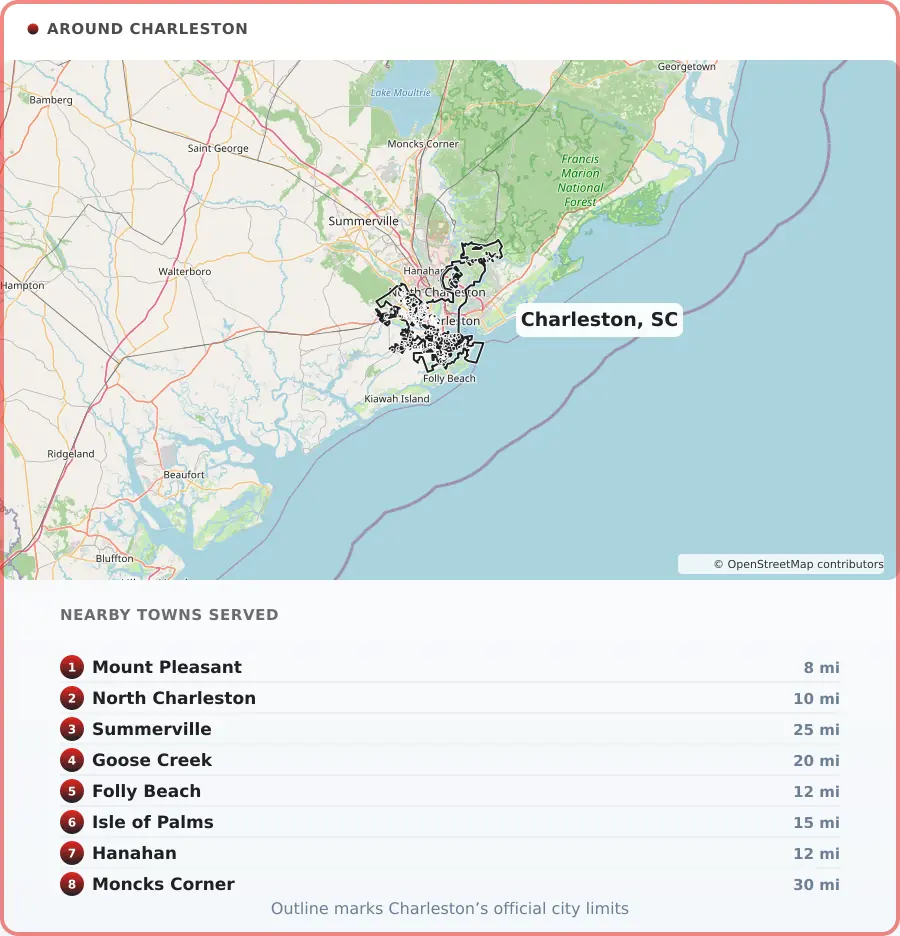
Charleston, SC is the centre of the service area, which extends to 8 surrounding towns. The map shows how far that reaches.
Charleston, SC Information
Charleston, SC sits where the Atlantic coastline folds into a web of rivers and harbors, giving the city its deep maritime character. That setting still drives the economy: the Port of Charleston keeps cargo and logistics moving, tourists fill the historic streets of South of Broad and the French Quarter, and Boeing's presence has helped build a serious aerospace and advanced manufacturing base alongside names like Bosch and Mercedes-Benz Vans.
About 150,000 people call the city home, supported by major institutions like MUSC and Joint Base Charleston, plus a growing tech scene that's earned Charleston the nickname 'Silicon Harbor.' It's a city that wears its history easily while still building something new along the water.
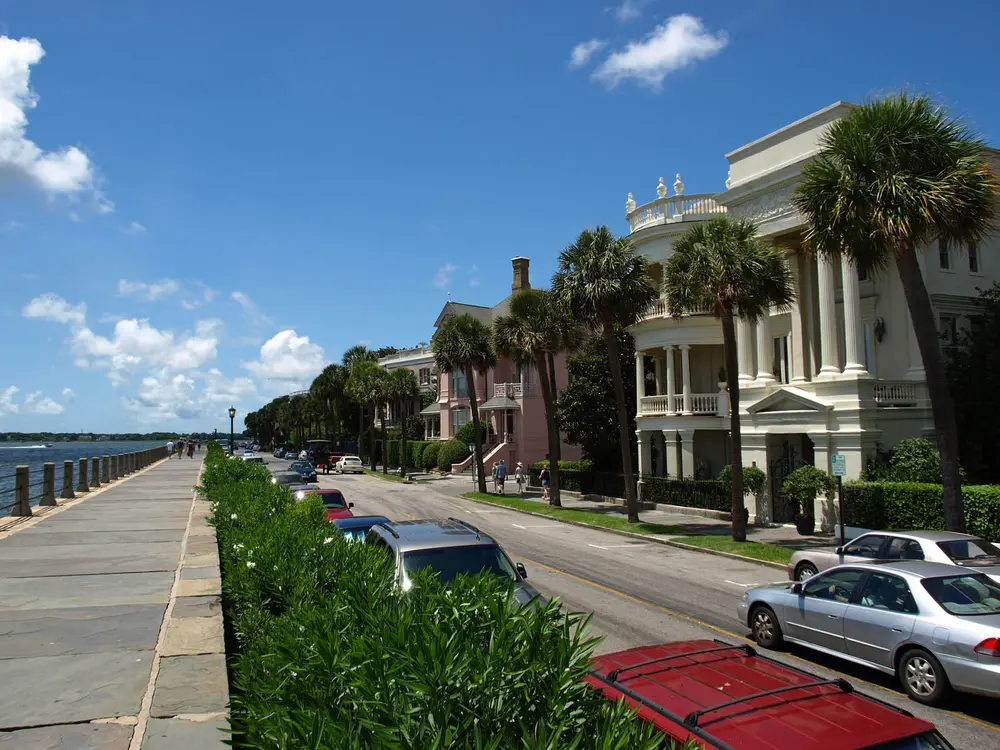
Photo: Chris Pruitt, CC BY-SA 3.0