

Roof Tarping in Charleston, SC
Charleston's low-lying terrain and heavy seasonal rainfall create conditions where water intrusion through roof damage can escalate quickly, especially during peak storm seasons. Roof tarping is often the first critical step to prevent additional water from entering the structure while permanent repairs are arranged, protecting everything from attics and walls to the crawl spaces and foundations common throughout the area and older elevated homes alike. Nelson Water Damage Restoration connects Charleston property owners with local restoration providers who can deploy tarping services promptly, helping contain damage and preserve your property until full repairs can be completed.
Roof Tarping Services Charleston Property Owners Trust
Charleston's coastal location and low-lying terrain create persistent water intrusion risks for residential and commercial properties. Heavy seasonal rainfall and weather events can compromise roof integrity quickly, leaving interiors exposed to water damage within hours. When a roof is breached—whether from storm damage, fallen debris, or age-related deterioration—immediate protection becomes critical. Roof tarping provides that urgent first line of defense, preventing water from entering walls, ceilings, and structural components while permanent repairs are planned and scheduled. For homeowners across Charleston neighborhoods like South of Broad, West Ashley, and James Island, a professionally installed tarp can mean the difference between contained water loss and extensive interior damage.
Nelson Water Damage Restoration connects Charleston property owners with independent local providers who respond quickly to roof tarping emergencies. These professionals assess damage on-site, determine the right tarping approach for your specific roof geometry and damage extent, and secure the tarp safely to prevent it from becoming a liability during subsequent weather. Beyond the tarp installation, the providers in our network stay engaged with your property's needs, coordinating with your insurance adjuster if needed and helping you move toward permanent restoration. If you're facing roof damage and need immediate protection, reaching out starts the process of getting a qualified, responsive provider to your door as soon as possible.
Why Charleston Property Owners Choose Nelson Water Damage Restoration
Fast Roof Tarping Response
Water intrusion through a damaged roof accelerates interior damage. Nelson connects you with local providers who prioritize rapid roof tarping deployment, minimizing exposure time and secondary harm to ceilings, walls, and contents.
Clear Communication During Roof Tarping
Uncertainty worsens stress when your roof is compromised. Providers in Nelson's network explain roof tarping scope, timeline, and next steps in plain language, keeping you informed from emergency call through completion.
Thorough Roof Tarping Coverage
Incomplete tarping leaves vulnerabilities. Local providers connected through Nelson assess the full extent of roof damage and apply tarping solutions that address all affected areas, preventing water from finding alternate entry points.
Roof Tarping for Charleston's Heavy Rainfall
Charleston's seasonal downpours and flash flooding create urgent pressure to seal roof breaches before water saturates attics and structural framing. Rapid roof tarping through Nelson's network stops the clock on water intrusion during critical weather events.
How Our Roof Tarping Process Works
From your initial call to the final inspection, we provide a structured, professional, and efficient process to ensure your property is fully restored after Roof Tarping.
Schedule Your Roof Tarping Assessment
Contact Nelson Water Damage Restoration to connect with a local provider who will assess your roof damage and determine the scope of tarping needed. The provider will schedule a visit to evaluate the damaged area and discuss next steps for protecting your home.
Roof Tarping Installation
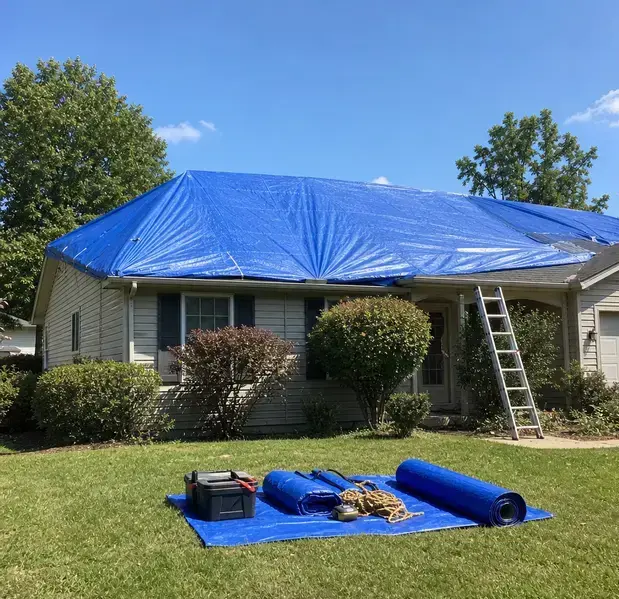
The local restoration provider will install a temporary protective tarp over the damaged roof section to prevent water intrusion while repairs are planned. Roof tarping is especially critical in Charleston's rainy climate, where heavy seasonal rainfall can cause additional interior damage if exposed roof areas are left unprotected.
Follow-Up and Repair Planning
Once the roof is tarped and secured, the provider will work with you and your insurance company to coordinate permanent roof repairs. The temporary tarping buys time to complete assessments and arrange for full roof restoration.
Dealing with Roof Tarping in Charleston? Get fast, professional help.
Call Now — (843) 396-1171Roof Tarping Needs Across Charleston
Charleston's unique position on low-lying coastal terrain means heavy seasonal rainfall is a persistent threat to roofs across the area. When water penetrates a damaged roof—whether from intense downpours or wind-driven rain—the clock starts immediately. Quick roof tarping protects interior spaces, structural framing, insulation, and personal property from progressive water damage while permanent repairs are arranged. The region's moisture-rich environment makes this urgency especially critical; water trapped in attics and wall cavities can lead to structural deterioration and mold growth far more rapidly than in drier climates.
Homes throughout Charleston, from historic properties in neighborhoods like South of Broad to newer construction on James Island, face similar exposure to heavy rainfall events. Older homes with aging roofs, mature trees overhead, and varied structural designs require prompt tarping after damage to prevent water from cascading through multiple stories or into crawl spaces and slab foundations below. Whether a roof has suffered wind damage, missing shingles, or a compromised flashing, local restoration providers connected through Nelson Water Damage Restoration can deploy tarping quickly to stop water intrusion and stabilize the property until permanent roof repair or replacement moves forward.
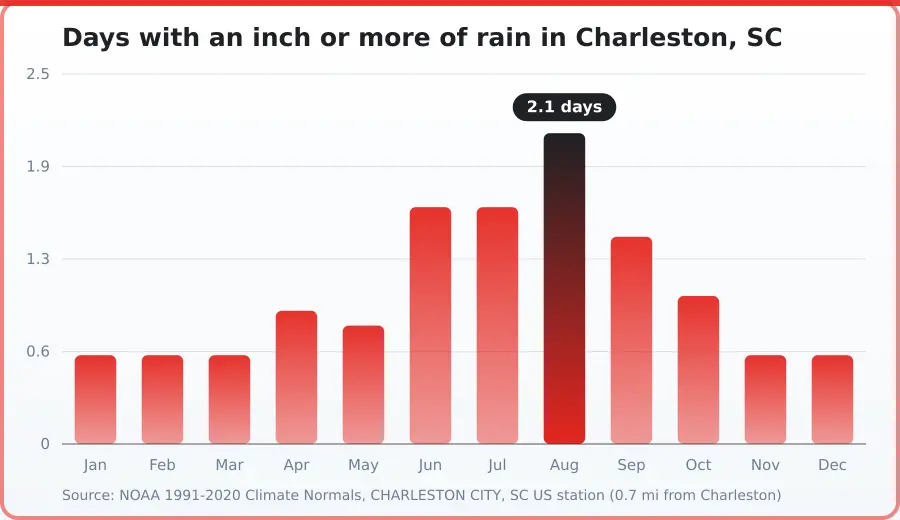
| Period | Days with an inch or more of rain (days) |
|---|---|
| Jan | 0.6 |
| Feb | 0.6 |
| Mar | 0.6 |
| Apr | 0.9 |
| May | 0.8 |
| Jun | 1.6 |
| Jul | 1.6 |
| Aug | 2.1 |
| Sep | 1.4 |
| Oct | 1 |
| Nov | 0.6 |
| Dec | 0.6 |
Source: NOAA 1991-2020 Climate Normals, CHARLESTON CITY, SC US station (0.7 mi from Charleston). Retrieved October 27, 2026.
Seasonal Roof Tarping Needs in Charleston
Spring: Post-Winter Assessment
Spring storms bring heavy rainfall to Charleston, and winter's freeze-thaw cycles can crack or lift roof shingles, leaving openings for water intrusion. Roof tarping prevents water from entering compromised areas while repairs are scheduled. Nelson Water Damage Restoration connects property owners with local providers who assess and tarp roofs quickly to stop interior water damage.
Summer: Heat and UV Stress
Summer heat can warp roof materials and expand existing gaps, while intense UV rays accelerate deterioration of tarps and underlying surfaces. Temporary tarping during summer requires attention to material durability and secure fastening in high winds. Providers in the Nelson network offer timely tarp inspections and replacements to ensure protection remains effective through the season's strongest storms.
Fall: Hurricane Season Preparation
Fall brings heightened rainfall and seasonal storms to the Charleston area, making roof damage from wind and heavy water exposure more likely. Properties with compromised roofs—whether from prior damage or age—benefit most from emergency roof tarping to prevent catastrophic interior flooding before storms arrive. Nelson Water Damage Restoration connects homeowners and business owners with local independent providers who respond rapidly to tarp roofs and minimize water intrusion during active weather.
Winter: Cold-Related Deterioration
Winter moisture and temperature fluctuations can cause tarps to shrink, crack, or separate from roof edges, reducing their protective seal. Older roofing materials become more brittle in cold, making new damage more likely after weather events. Nelson Water Damage Restoration helps property owners reach local restoration providers who inspect and reinforce tarps during winter to maintain continuous protection against rain and melting snow.
Related Services
Roof Tarping FAQs — Charleston, SC
Roof tarping is a temporary protective covering applied to damaged roof sections to prevent further water intrusion while permanent repairs are arranged. Local providers secure heavy-duty tarps over holes, missing shingles, or compromised areas using fasteners and sealing methods. This emergency measure protects your interior and belongings from ongoing rain and moisture until full restoration work can be scheduled and completed.
Nelson Water Damage Restoration connects Charleston property owners with local independent providers who respond to urgent tarping needs. When your roof is damaged, time matters—water intrusion worsens rapidly. Contact Nelson to be matched with available local providers who understand Charleston's weather patterns and can prioritize emergency roof tarping to protect your property from further damage.
Roof tarping costs depend on damage size, roof pitch and accessibility, tarp material quality, labor required, and how quickly service is needed. Larger damaged areas or steeply pitched roofs typically cost more to cover safely. Independent providers in Charleston price based on these site-specific factors. Contact local providers through Nelson for a quote tailored to your property's actual damage and roof configuration.
Before tarping arrives, document damage with photos for insurance and clear the roof area of debris if safe to do so. Stay clear during the process—providers will position equipment, secure tarps over damaged sections, and seal edges to block water. This typically takes several hours depending on damage extent. Remain accessible to answer questions and provide roof access as needed.
Roof tarping is a temporary emergency measure, not a permanent prevention solution. Once permanent repairs are completed—replacing shingles, flashing, or structural damage—your roof's integrity is restored and future leaks from that damage are prevented. Nelson connects you with providers who can discuss both immediate tarping and long-term repair options to protect your Charleston home moving forward.
Charleston's heavy seasonal rainfall makes roof damage a year-round concern, and tarping becomes critical quickly after any storm or weather event that compromises your roof. The sooner a damaged roof is tarped, the less water enters your home and the lower your risk of interior damage. Whether damage occurs during a rainy season or dry spell, prompt tarping limits additional water intrusion to your property.
Homeowner Safety Toolkit
Verify Your Charleston, SC Water Damage Restoration Company
Before you hire anyone, use these independent national resources to confirm credentials, standards, and track record.
EPA
The federal government's own guidance on drying out a water-damaged home fast enough to keep mold from taking hold.
Mold Prevention GuideNADCA
Sets the industry standard for inspecting and cleaning HVAC systems after water damage, so contaminated ductwork doesn't spread moisture through the rest of the house.
Duct & Air StandardsBBB
Look up any restoration company's complaint history, customer reviews, and accreditation status — a free, independent check before you hire.
Check StandingDealing with Roof Tarping in Charleston, SC? Call (843) 396-1171 for 24/7 help.
Call Now — (843) 396-1171Areas We Serve Near Charleston, South Carolina
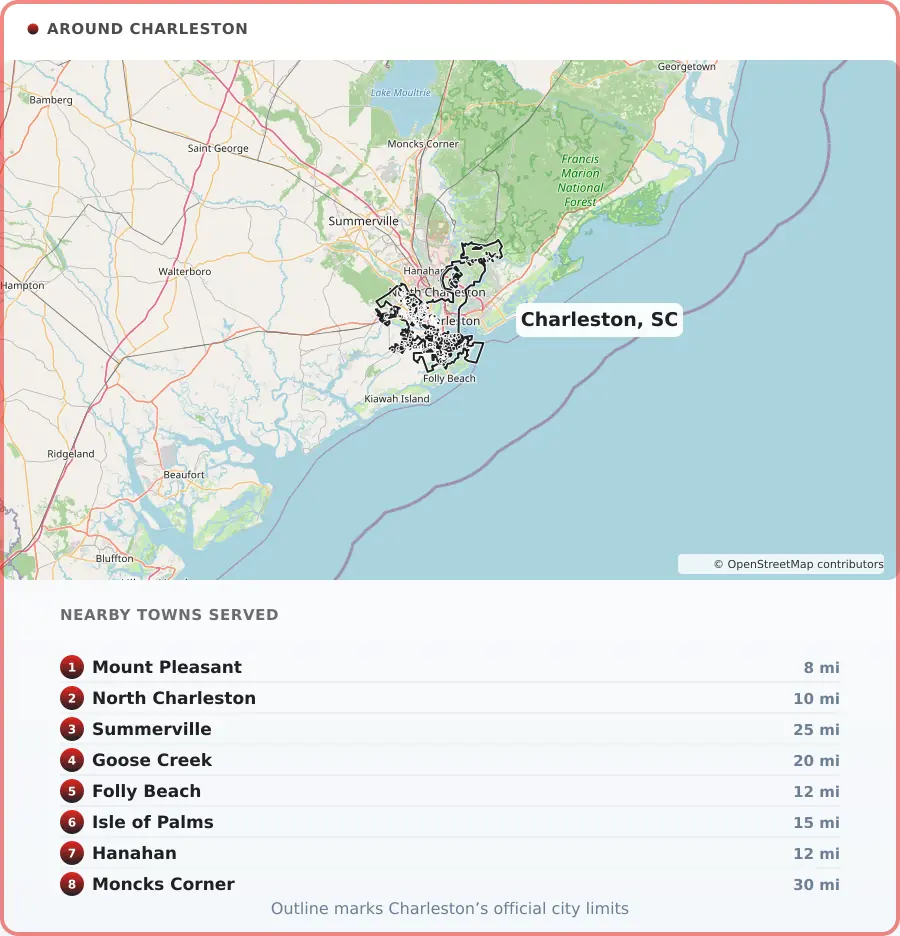
Charleston, SC is the centre of the service area, which extends to 8 surrounding towns. The map shows how far that reaches.
Charleston, SC Information
Charleston, SC sits where the Atlantic coastline folds into a web of rivers and harbors, giving the city its deep maritime character. That setting still drives the economy: the Port of Charleston keeps cargo and logistics moving, tourists fill the historic streets of South of Broad and the French Quarter, and Boeing's presence has helped build a serious aerospace and advanced manufacturing base alongside names like Bosch and Mercedes-Benz Vans.
About 150,000 people call the city home, supported by major institutions like MUSC and Joint Base Charleston, plus a growing tech scene that's earned Charleston the nickname 'Silicon Harbor.' It's a city that wears its history easily while still building something new along the water.
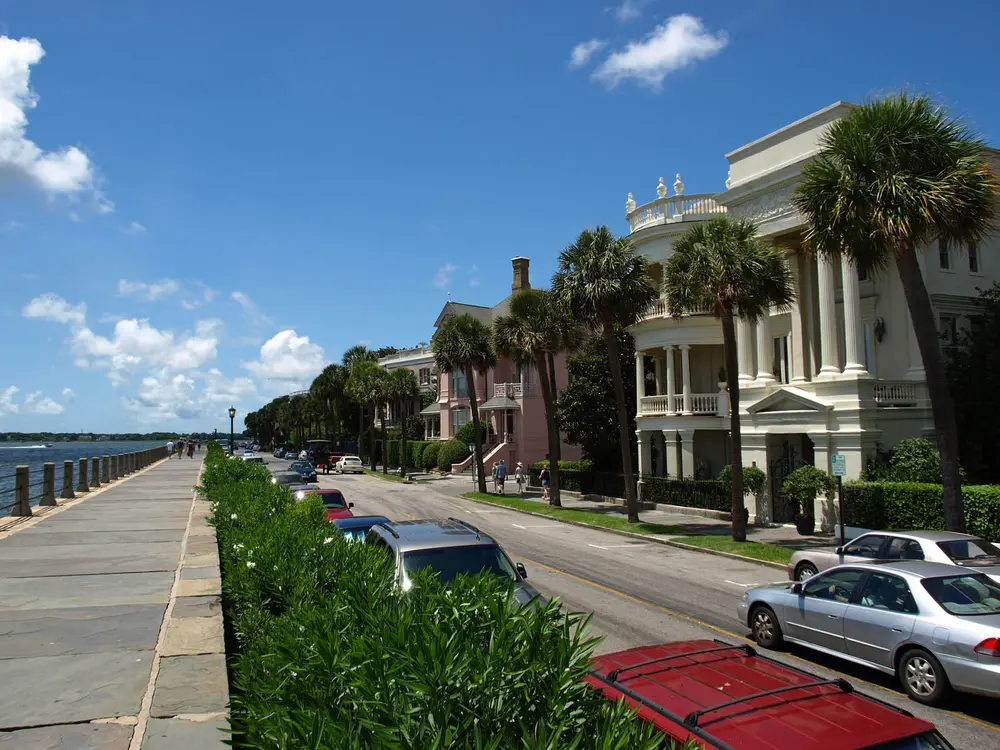
Photo: Chris Pruitt, CC BY-SA 3.0