

Water Damage Restoration Cost in Charleston, SC
Charleston's low-lying terrain and seasonal heavy rainfall create conditions where water damage can spread quickly through crawl spaces and slab foundations, affecting repair scope and Water Damage Restoration Cost. The extent of damage—and what restoration will require—becomes clear only after a local provider inspects your property, making early action your best way to keep the work contained. Connecting with a restoration provider fast helps limit how far moisture penetrates, which directly affects what your property will need.
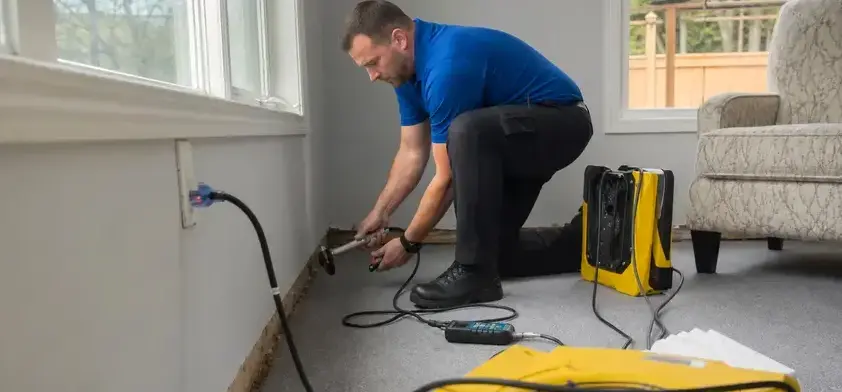
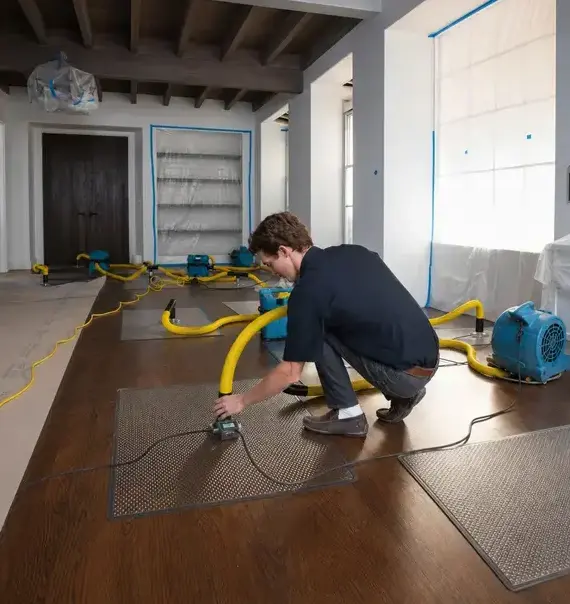
Water Damage Restoration Cost in Charleston
Properties throughout Charleston face water damage risks tied to the region's geography and weather patterns. The low-lying coastal terrain and high water table mean that heavy seasonal rainfall can overwhelm drainage systems and cause localized flooding that reaches foundations, crawl spaces, and ground-level living areas. When water enters a home or business, the scope of restoration work—and therefore the cost—depends entirely on what type of water entered, how much area was affected, which building materials absorbed it, and how quickly the property owner responds. Understanding what drives water damage restoration cost helps you make informed decisions before calling a local provider.
Nelson Water Damage Restoration connects Charleston property owners with independent local restoration providers who assess the full extent of water intrusion on-site and explain what the restoration work will involve. Each provider inspects the affected area, identifies what materials need drying, removal, or replacement, and determines the equipment and time required to complete the job safely. The faster you reach out after water damage occurs, the smaller the affected area typically remains, which directly influences the work scope and cost. A local provider will give you a clear picture of restoration cost only after evaluating your specific situation in person.
Why Charleston Property Owners Compare Water Damage Restoration Costs
Water Category Affects Scope
Clean water from a burst pipe costs less to restore than gray water from appliances or black water from sewage. Black water requires containment, specialized handling, and often removal of contaminated materials. The source of the water determines which materials must be discarded and how thoroughly surfaces must be treated.
Area and Materials Drive Work
Restoration cost depends on square footage affected and what got wet—drywall, flooring, cabinets, insulation, and foundation materials each require different drying or removal methods. A small bedroom stays wet differently than a basement or crawl space. The more materials involved, the longer and more equipment-intensive the drying process becomes.
Drying Time and Equipment Needs
How long water damage takes to dry depends on humidity, temperature, airflow, and material depth. Some jobs need industrial dehumidifiers and air movers for days; others for weeks. Equipment rental and operation time directly influence the scope and duration of the restoration work required.
Charleston's Terrain Raises Exposure
Many Charleston-area homes sit on crawl spaces or slab foundations due to the high water table and low-lying terrain, which means water intrusion often affects these spaces first during heavy rainfall or seasonal flooding events. Drying a crawl space or slab requires more time and specialized equipment than restoring above-ground rooms, increasing the overall scope of work.
How Your Water Damage Restoration Cost Is Estimated in Charleston, SC
From your first call to the final invoice, the goal is simple: understand what is driving Water Damage Restoration Cost for your property before any work begins.
Request an On-Site Estimate
Contact Nelson Water Damage Restoration to connect with an independent local provider serving Charleston who will schedule a visit to inspect your property. Quick response limits how much water continues to spread into walls, floors, and structural materials—a key factor in what the restoration work will ultimately cost.
Receive Detailed Scope and Cost Breakdown
The provider assesses the category of water involved, measures affected square footage, identifies which materials require removal or specialized drying, and determines equipment and labor needed. All these factors—water type, area size, materials involved, drying duration, and whether structural components must be rebuilt—directly shape water damage restoration cost.
Review the Estimate Before Work Begins
You receive a detailed estimate outlining what work addresses your specific damage and why each component affects the total cost. Review it thoroughly with the provider before approving any work, so you understand exactly what is included in the water damage restoration cost for your property.
Wondering about Water Damage Restoration Cost in Charleston? Get an on-site estimate from a local provider.
Call Now — (843) 396-1171Water Damage Restoration Cost Factors in Charleston
Water damage restoration cost in Charleston depends on several interconnected factors that a local provider will assess during an inspection. The type of water involved—whether clean water from a burst pipe, gray water from appliances, or contaminated sewage—directly affects the scope and materials needed for safe restoration. The size of the affected area, combined with which materials absorbed the water, shapes both labor time and equipment requirements. Drywall, flooring, cabinetry, and insulation each respond differently to moisture, and determining whether they can dry in place or must be removed and replaced is a major cost driver that only an on-site evaluation can answer.
In the Charleston area, many homes rest on crawl spaces or slab foundations due to the region's high water table and low-lying terrain, which can influence how water moves through a property and how much of the foundation structure requires attention. Additionally, older historic homes elevated on piers present different water exposure patterns than newer construction, affecting both the extent of damage and the restoration method. Seasonal rainfall and localized flooding events can introduce standing water that prolongs drying time and may require specialized equipment to manage. The longer water remains in a property, the greater the risk of secondary damage—such as mold growth—which expands the restoration scope significantly. Acting quickly to stop the water source and begin drying typically keeps the overall cost of restoration lower by limiting how far moisture penetrates into structural materials.
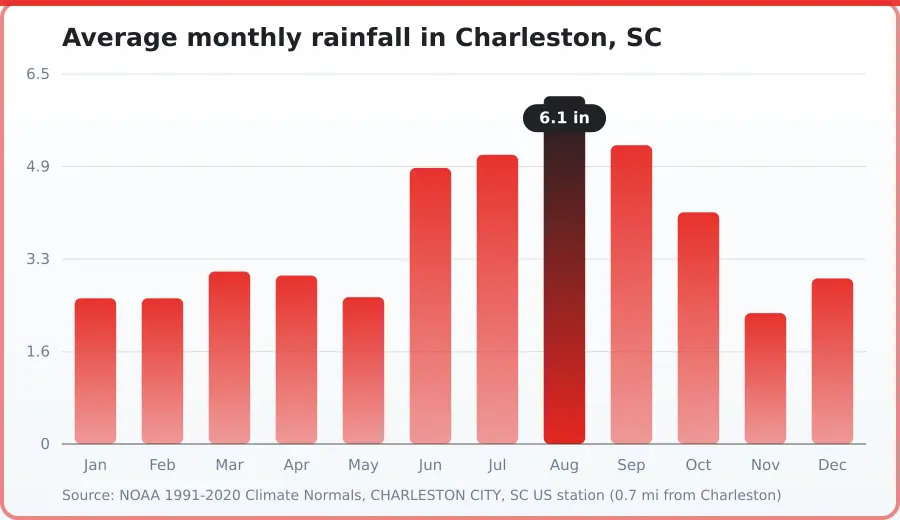
| Period | Monthly rainfall (in) |
|---|---|
| Jan | 2.6 |
| Feb | 2.6 |
| Mar | 3 |
| Apr | 3 |
| May | 2.6 |
| Jun | 4.9 |
| Jul | 5.1 |
| Aug | 6.1 |
| Sep | 5.3 |
| Oct | 4.1 |
| Nov | 2.3 |
| Dec | 2.9 |
Source: NOAA 1991-2020 Climate Normals, CHARLESTON CITY, SC US station (0.7 mi from Charleston). Retrieved October 27, 2026.
Seasonal Water Damage Restoration Cost Drivers in Charleston
Spring: Heavy Rain Impact
Spring rainfall in Charleston increases the likelihood of water intrusion through foundations and older structures, making restoration scope and cost dependent on water category, affected square footage, and material saturation depth. Nelson Water Damage Restoration connects you with local providers who assess damage quickly to prevent mold onset and structural material breakdown.
Summer: Heat and Humidity
Summer's high humidity slows evaporation and accelerates mold growth, expanding restoration timelines and equipment needs when water damage occurs. Properties in areas like West Ashley and James Island face longer drying cycles, driving up labor costs and the likelihood of removing drywall or flooring rather than salvaging them.
Fall: Seasonal Flooding Risk
Heavy seasonal rainfall combined with low-lying terrain means fall flooding can affect crawl spaces and slab foundations across Charleston, where water category—clean, gray, or contaminated—determines whether restoration focuses on drying alone or includes material removal and structural rebuilding. Early connection with local restoration providers through Nelson Water Damage Restoration keeps initial damage confined, reducing overall project scope.
Winter: Cold and Pipe Breaks
Winter freeze-thaw cycles occasionally cause pipe ruptures that release clean water into walls, attics, and living spaces; cost depends on how long water remains undetected before saturation forces removal of insulation, drywall, and flooring. Quick identification and response through Nelson Water Damage Restoration help limit the area requiring restoration and avoid secondary damage.
Water Damage Restoration Cost FAQs — Charleston, SC
Restoration cost depends on several key factors: the category of water involved, how many rooms or areas are affected, what materials were damaged (drywall, flooring, insulation), and how long the drying process takes. Homes with crawl spaces or slab foundations may face different scopes of work than others. A local provider's on-site inspection identifies all affected areas and determines the full scope before pricing.
Yes. The longer water sits in your home, the more materials absorb it and the wider secondary damage spreads—affecting insulation, structural framing, and finishes. Acting quickly limits the damage zone and reduces drying time, which directly lowers restoration costs. Early response is one of the most effective ways to keep expenses down.
A local provider visits your property in person to inspect the water damage, measure affected areas, identify damaged materials, and assess drying requirements. This on-site evaluation is where your specific cost is determined—not over the phone. The inspector documents everything to give you an accurate, detailed estimate before work begins.
Homeowners insurance policies vary widely in what they cover. Some water damage is covered; some is not. Your insurer will evaluate the cause and your policy terms. A local restoration provider can work with your insurance company and help document the damage, but you should contact your insurer directly to understand your coverage and what costs may be your responsibility.
Nelson Water Damage Restoration links you with independent local providers in the Charleston area who can respond quickly to assess your damage. Once you reach out, a provider can often schedule an on-site inspection promptly so you get a cost estimate without delay. In a water emergency, speed matters—contact us to get connected to a local professional now.
Heavy seasonal rainfall and localized flooding events in the Charleston region can cause widespread water intrusion across multiple properties at once. When demand for restoration services peaks, the scope of work and timeline for your property may be affected. Understanding these seasonal patterns makes early action and quick assessment even more important for controlling your restoration costs.
Homeowner Safety Toolkit
Verify Your Charleston, SC Water Damage Restoration Company
Before you hire anyone, use these independent national resources to confirm credentials, standards, and track record.
EPA
The federal government's own guidance on drying out a water-damaged home fast enough to keep mold from taking hold.
Mold Prevention GuideNADCA
Sets the industry standard for inspecting and cleaning HVAC systems after water damage, so contaminated ductwork doesn't spread moisture through the rest of the house.
Duct & Air StandardsBBB
Look up any restoration company's complaint history, customer reviews, and accreditation status — a free, independent check before you hire.
Check StandingQuestions about Water Damage Restoration Cost in Charleston, SC? Call (843) 396-1171 to arrange a local on-site estimate.
Call Now — (843) 396-1171Areas We Serve Near Charleston, South Carolina
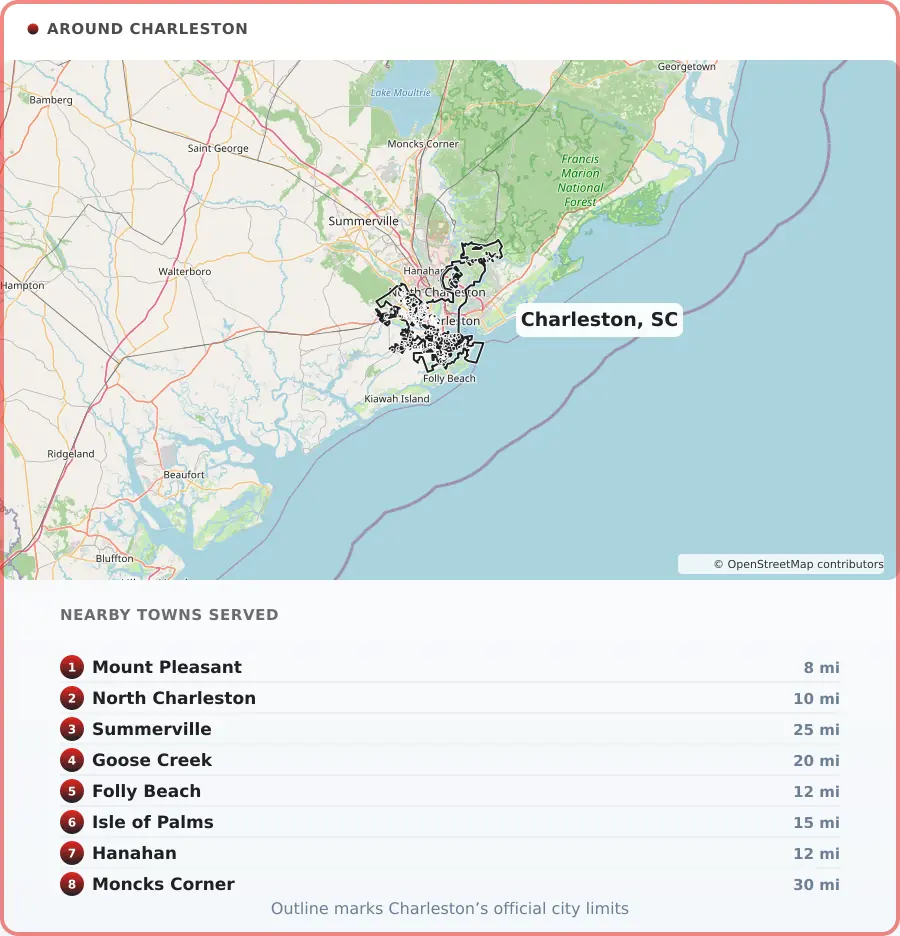
Charleston, SC is the centre of the service area, which extends to 8 surrounding towns. The map shows how far that reaches.
Charleston, SC Information
Charleston, SC sits where the Atlantic coastline folds into a web of rivers and harbors, giving the city its deep maritime character. That setting still drives the economy: the Port of Charleston keeps cargo and logistics moving, tourists fill the historic streets of South of Broad and the French Quarter, and Boeing's presence has helped build a serious aerospace and advanced manufacturing base alongside names like Bosch and Mercedes-Benz Vans.
About 150,000 people call the city home, supported by major institutions like MUSC and Joint Base Charleston, plus a growing tech scene that's earned Charleston the nickname 'Silicon Harbor.' It's a city that wears its history easily while still building something new along the water.
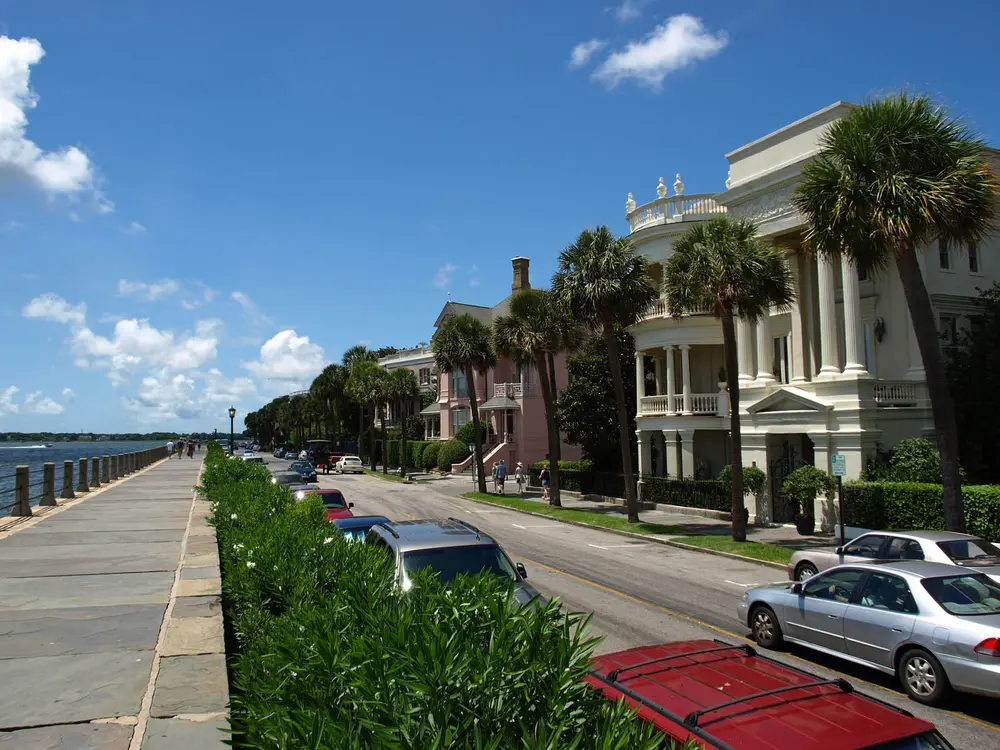
Photo: Chris Pruitt, CC BY-SA 3.0